

- Bridgeport Aesthetic Dentistry
- Endodontics & Root Canals
Endodontist And Root Canals in Valencia & Santa Clarita
- Bridgepoint Aesthetic Dentistry
- Endodontics & Root Canals
Endodontist and Root CAnals in Valencia & Santa Clarita
Root Canals And Endodontics
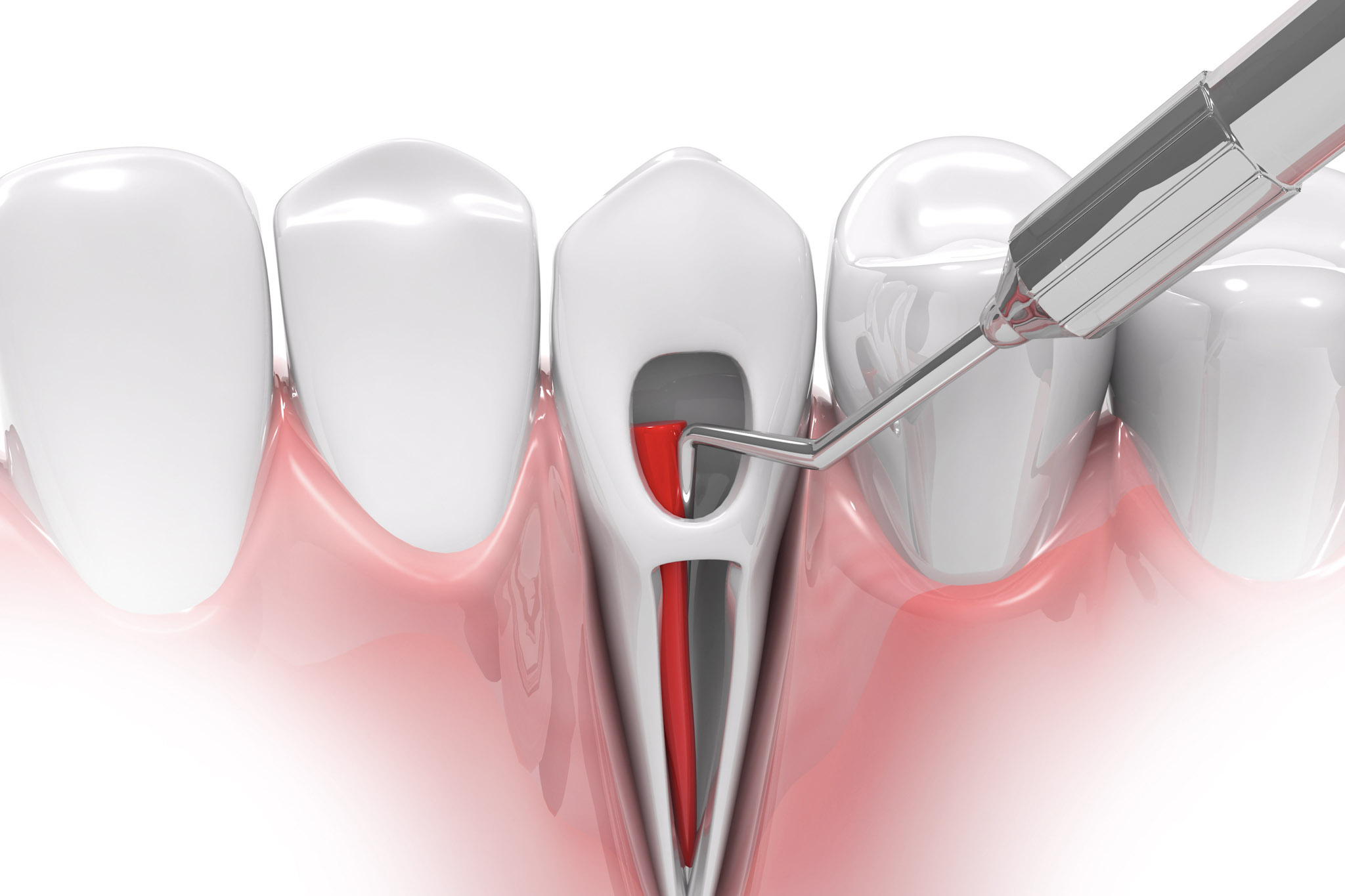
Endodontics is a specialized field of dentistry focused on the complex inner structures of teeth, including the tooth pulp, tissues, nerves, and blood vessels. The term “Endodontics” is derived from Greek, meaning “inside the tooth.” Endodontists receive additional training beyond dental school, enabling them to perform both simple and complex procedures, such as root canal therapy.
In the past, a tooth with a diseased nerve would typically be extracted. However, with modern endodontic techniques, endodontists can often save the natural tooth. By removing the damaged inner structures and sealing the space with a crown, health and functionality can be restored to compromised teeth.
Signs and Symptoms of Endodontic Problems:
- Inflammation and tenderness in the gums
- Sensitivity to hot and cold foods
- Tenderness when chewing or biting
- Tooth discoloration
- Unexplained pain in nearby lymph nodes
Reasons for Endodontic Treatment
Endodontic treatment, commonly known as root canal therapy, is performed to preserve the natural tooth. Despite the availability of advanced dental restorations, most dentists agree that there is no true substitute for healthy, natural teeth.
Common Causes of Inner Tooth Damage:
Bacterial Infections: Oral bacteria are the leading cause of endodontic issues. Bacteria can enter the tooth pulp through tiny cracks caused by decay or injury, leading to inflammation, infection, and potentially, an abscess.
Fractures and Chips: When a significant portion of the tooth’s surface or crown is lost, root canal therapy may be necessary. The exposure of the pulp can result in severe pain and further complications.
Injuries: Trauma to the mouth, whether from direct impact or other causes, can dislodge or luxate a tooth. After stabilizing the injured tooth, root canal therapy is often required to save it.
Tooth Removals: If a tooth is knocked out of its socket, it’s crucial to rinse it and attempt to reinsert it as quickly as possible. If reinsertion is not possible, store the tooth in a special dental solution (available at pharmacies) or in milk to keep the inner structures moist until emergency dental care is obtained. The tooth can be reattached using a special splint, followed by root canal therapy to preserve it.
What Does an Endodontic Procedure Involve?
Root canal therapy typically requires one to three visits. Before treatment, comprehensive X-rays of the affected teeth are taken and reviewed.
The procedure begins with the administration of a local anesthetic, followed by the placement of a dental dam to keep the surgical area dry. An opening is made in the tooth’s surface, and the infected pulp is removed with small, specialized instruments.
The space is then shaped, cleaned, and filled with gutta-percha, a biocompatible material similar to rubber. Cement is applied to ensure the root canals are fully sealed. In most cases, a temporary filling is placed to restore the tooth’s function until a permanent restoration or crown is placed during the final visit.
If you have any questions or concerns about endodontic procedures, please don’t hesitate to contact our office.
Ready to become a NEW Patient?!
We’re currently accepting new patients. We invite you to come meet our amazing dentist, Dr. Ali Salmassian. He is one of the highest reviewed and top-rated dentists in the Santa Clarita and Valencia area. You will also meet our caring, knowledgable, and amazing staff at our relaxing state-of-the-art office. Contact us to learn more about our financing options and your insurance coverage or with any other question. We can’t wait to meet you!
Get in touch
Have a question? Call, text, or fill out the form to contact our office.
Dentist in Santa Clarita, CA
Office Hours
- Monday - Friday: 8:00AM - 5:00 PM
© 2024 All Rights Reserved by Bridgeport Aesthetic Dentistry Dentist in Valencia & Santa Clarita, CA | Sitemap
Get in touch
Have a question? Call, text, or fill out the form to contact our office.